From Optimization to Robustness: How Resilient Leaders Build Organizations Fit for a Living Planet
Why robust organizations outlast optimized ones, and how resilient leadership and ADKAR change management make the transformation possible.

Resilience training, assessment and certifications
Why robust organizations outlast optimized ones, and how resilient leadership and ADKAR change management make the transformation possible.
New data from 8,419 professionals reveals 54% of the global workforce is one crisis away from burnout. Here’s what resilient teams do differently.
When AI cuts headcount, the hardest leadership challenge isn’t implementation – it’s what you do for the people who stay.
Most organizations are investing heavily in employee development and seeing little return. Discover why traditional formats are failing and how a hybrid, measured approach finally delivers measurable workplace training ROI.
A few simple resilience practices to help you slow down, rest, and ease into the holiday break — shared with care as the year winds down.
We live in an age where the language of human flourishing is everywhere. Leaders speak of resilience, governments report on mental health, educators encourage a growth mindset, and public policy now tracks well-being. These concepts overlap but are not identical. Understanding their distinctions—and how they connect—matters, because clarity guides action.
At the Resilience Institute, we respect the diverse definitions that have emerged from psychology, medicine, education, and performance science. Each tradition sheds light on one piece of the puzzle. Our contribution is to weave these threads into a coherent spiral model that reflects the whole human experience.
In research, resilience is most often described as the capacity to adapt successfully in the face of adversity, trauma, or stress [1]. It is not a static trait but a dynamic process, influenced by biology, psychology, and social support [2].
Developmental psychologist Ann Masten calls resilience “ordinary magic,” pointing out that children often adapt not through heroic feats but through everyday systems of care and competence [3]. At the University of Pennsylvania, psychologist Karen Reivich and colleagues have led a resilience program that teaches optimism, cognitive reappraisal, and problem-solving as core skills [4].
These are just two examples in a vast field. Neuroscience explores how stress shapes the brain. Trauma studies examine how people integrate and heal. Organizational psychology looks at how teams adapt under pressure. Each discipline adds nuance to what resilience can mean.
At its essence, resilience is about response to challenge. Some collapse or withdraw. Others push through but burn out. A few manage to hold calm focus, recover quickly, and even grow stronger through adversity. Resilience is both protection and possibility.
Mental health is broader than resilience. The World Health Organization defines it as “a state of well-being in which an individual realizes their abilities, can cope with normal stresses, can work productively, and is able to contribute to their community” [5].
Where resilience describes how we respond to disruption, mental health describes our baseline capacity to function. It is the ongoing equilibrium of mood, cognition, and relationships. When mental health falters—through depression, anxiety, or burnout—resilience skills may help, but professional support is often essential.
Growth mindset, a concept from psychologist Carol Dweck, is the belief that abilities can be developed through effort, strategies, and feedback [6]. In contrast, a fixed mindset assumes that intelligence and talent are static.
Research shows that a growth mindset fosters persistence, motivation, and adaptability—especially in the face of setbacks [7]. It does not replace resilience or mental health, but it shapes the attitude that makes them possible. Believing we can change creates the conditions for bouncing back and moving forward.
Well-being is the broadest of these terms. Psychologist Martin Seligman frames it through the PERMA model: Positive emotion, Engagement, Relationships, Meaning, and Accomplishment [8]. The OECD expands it further to include health, income, environment, and social capital [9].
If resilience is the irrigation system that protects plants during drought, and growth mindset the sunlight, then well-being is the flourishing garden. It is the desired outcome: vitality, connection, purpose, and joy.
Across these fields, definitions of resilience differ, and each brings unique value. At the Resilience Institute, we integrate these perspectives into a single framework. Our spiral model defines resilience as a learned ability to:

The spiral metaphor matters. Life is not linear. We cycle through challenges, recoveries, and growth phases again and again. Each turn of the spiral builds on the last, layering depth and capacity.
This model acknowledges the depth of each tradition—clinical mental health, developmental resilience, mindset research, and well-being science—while integrating them into a practical, evidence-based path. It encompasses the full human experience: stabilizing, strengthening, and flourishing.
Language shapes action. If a company claims to invest in “well-being” but only offers gym memberships or a mindfulness app, it may be neglecting the risks of burnout, daily rhythms, or connection. If a school says “mental health” but only teaches growth mindset, it may overlook clinical realities. If individuals equate resilience with endless grit, they risk mistaking exhaustion for growth.
Precision matters. But integration matters too. By viewing these domains as strands of one spiral, we can respond with accuracy and coherence. Resilience is not just surviving pressure, but energizing, connecting, and performing with purpose.
For leaders, this means guiding teams that don’t just endure disruption but learn and thrive. For individuals, it means cycling between recovery, vitality, and performance to stay balanced and fulfilled. For society, it means moving beyond siloed interventions toward holistic approaches that reflect the complexity of human life.

In short:
And together, they form what we call the spiral of resilience—an upward path that integrates science, practice, and the art of being human.
As AI transforms the workplace, resilience is no longer optional. Discover why human skills like emotional intelligence, calm, and adaptability will define the future of work.
Change is no longer an event. It is the constant backdrop of modern life. Leaders don’t merely initiate transformation; they live inside it. And yet, most change management strategies can overlook one simple, human truth: people can’t process transformation when they are already overwhelmed.
Enter resilience, not as a trend, but as a foundation. At the Resilience Institute, we believe resilience is a powerful complement to existing change leadership frameworks. It’s not that the strategy fails. It’s often the state of the people asked to deliver it that determines success.
Take Prosci’s ADKAR model, for instance, a respected, well-researched methodology. It guides individuals through the stages of Awareness, Desire, Knowledge, Ability, and Reinforcement. It has helped thousands of organizations succeed in complex transformations.
What we propose is not a replacement, but an enhancement. ADKAR works best when individuals are cognitively clear, emotionally stable, and psychologically ready. Resilience builds that readiness.
Organizations today face record levels of burnout, disengagement, and mental fatigue. These aren’t just HR concerns; they are performance and adoption risks. Resilience gives people the capacity to engage with change fully, rather than just endure it.
This is where resilience comes in, not as an alternative to change management models, but as a critical enabler. Resilience provides the human infrastructure required to make change stick. It is the invisible scaffolding that supports the visible strategy.
Why? Because resilience unlocks capacity. It cultivates calm in chaos, clarity in complexity, and conviction in uncertainty. Before we ask someone to change, we must first help them become change-capable.
This isn’t philosophical idealism. It’s backed by science and decades of fieldwork.
In plain terms? Resilience works. And it makes every other element of change management easier.
We’ve embedded resilience training with clients like Google, Nestlé, AXA, and Electronic Arts. These are organizations in motion—navigating scale, disruption, and reinvention.
And across the board, a simple truth emerges: resilient people adapt faster, collaborate better, and sustain new behaviors longer. Resilience doesn’t just support people through change. It prepares them to thrive in it.
Here’s how core resilience competencies enhance each stage of ADKAR:
Requires cognitive clarity and openness to receive and process information.
Resilience Skill: Mental agility and self-awareness help individuals understand the context of change without emotional reactivity.
Relies on intrinsic motivation and emotional alignment.
Resilience Skill: Purpose, optimism, and emotional regulation fuel genuine desire and reduce resistance.
Involves learning and absorbing new information.
Resilience Skill: Focus, sleep quality, and neuroplasticity-enhancing practices improve learning capacity.
Demands behavioral change and skill application.
Resilience Skill: Mastery through micro-habits, stress regulation, and practical rehearsal (e.g., through rituals and coaching).
Requires consistency and cultural embedding.
Resilience Skill: Social connection, influence, and long-term habit scaffolding help individuals sustain change and support others in doing the same.
In this way, resilience doesn’t replace ADKAR—it enhances it. We see these two approaches as profoundly complementary.
Our methodology isn’t just a feel-good concept; it’s a science-backed framework rooted in four pillars:
These pillars don’t just support change; they amplify it, turning potential roadblocks into stepping stones.
Here’s how organizations can integrate resilience to enhance their change efforts:
Why does this matter?
Because change isn’t just operational. It’s existential. When we ask people to change without tending to their capacity, we risk failure, burnout, or quiet disengagement.
Resilience shifts this narrative. It creates the inner architecture to face challenge with grace and move through difficulty with momentum. In a sense, resilience doesn’t just support change. It humanizes it.
And in doing so, it helps organizations move from short-term compliance to long-term transformation.
Change is not slowing down. If anything, the tempo is increasing. AI, geopolitical shifts, hybrid work, and economic instability are the realities of today’s leadership environment.
So let’s stop assuming people are ready. Let’s prepare them.
Resilience isn’t a soft skill. It’s a strategic imperative. And it’s a framework for those who understand that human sustainability is not just a moral goal, it’s a performance advantage.
Now is the time to lead with both head and heart. To honor the complexity of change with an approach that reflects the full spectrum of what it means to be human.
Let’s build change-capable people. Let’s build resilience into the way we lead.
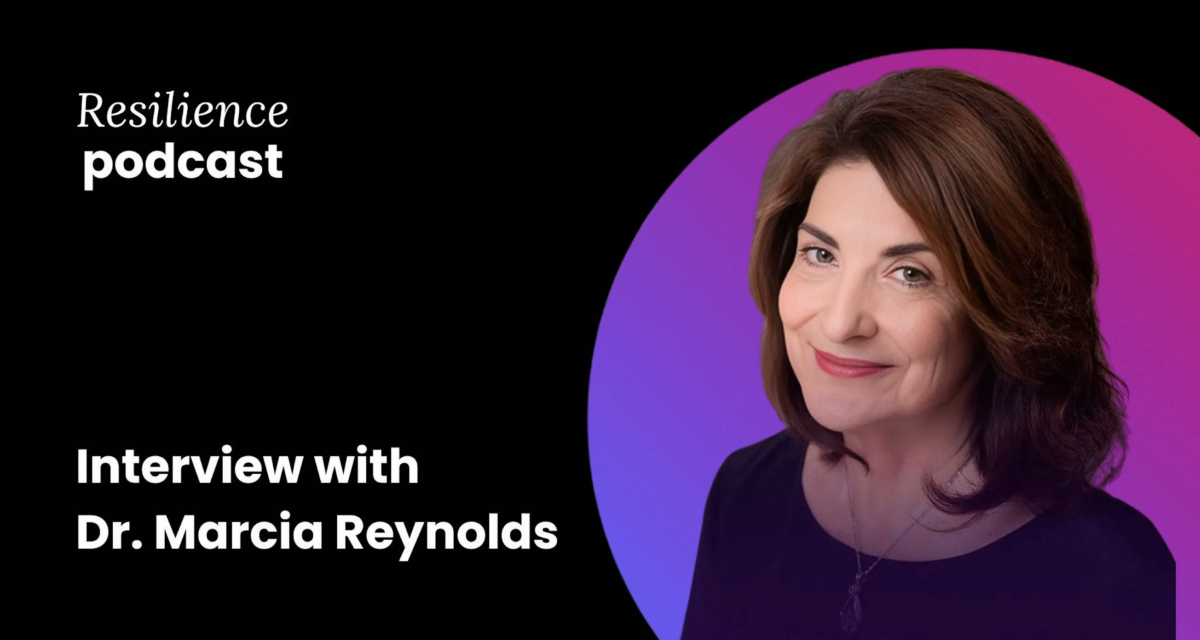
Discover what makes a resilient coach. Leadership expert Dr. Marcia Reynolds shares insights on presence, feedback, and the mindset shifts that drive transformation in coaching.
Leaders are under pressure to perform, adapt, and inspire—often all at once. Coaches and HR professionals who support them need tools that go beyond conversation. They need insights that are measurable, evidence-based, and relevant to the realities of leadership today.
Whether you’re working with senior executives, cross-functional teams, or emerging leaders, the right coaching tool helps you guide meaningful change. From strengthening resilience and reducing burnout to improving collaboration and communication, these tools bring clarity to complexity.
This guide reviews five of the most trusted and effective coaching assessments used by executive coaches, leadership consultants, and HR leaders worldwide.
Keywords: resilience coaching tool, leadership resilience assessment, team performance diagnostics
The Resilience Assessment is a scientifically validated tool used to measure 50 key factors across 10 levels of the Resilience Spiral—including focus, adaptability, empathy, recovery, and burnout risk. It provides clear, actionable insights into performance, mental health risk, leadership readiness, and team dynamics.
Now powered by Resilience.AI, the platform offers individualized recommendations for areas like sleep, vitality, and emotional regulation. Reports are available for both individuals and groups, with benchmarking and trend tracking for repeat use.
Certified professionals gain access to a structured framework, preferred pricing, and best practices for using the tool in coaching engagements.
Special offer: Coaches can measure their own resilience free of charge until May 31st. Take the assessment and experience the insights first-hand.
Claim your free assessment
Explore the Resilience Assessment
Why this tool can benefit executive coaches and HR leaders:
It provides a measurable, holistic view of personal and team resilience—ideal for coaching that aims to enhance well-being, decision-making, and sustainable performance.
Keywords: AI-powered resilience platform, workplace well-being tools, coaching with data
Hello Driven is a digital platform designed for tracking and building resilience over time. It uses AI-supported dashboards and micro-coaching to help users develop awareness and adaptability. Coaches and facilitators can become certified through their CReC (Certified Resilience Coach) program.
Why this tool can benefit executive coaches and HR leaders:
A good option for organizations seeking continuous digital engagement with employees and scalable resilience programs.
Keywords: leadership strengths assessment, Gallup coaching tool, strengths-based development
CliftonStrengths identifies an individual’s top 5 or 34 strengths from a list of themes like Achiever, Strategic, or Relator. Widely used in corporate coaching and leadership development, it’s a foundational tool for aligning roles with natural talents and fostering engagement.
Why this tool can benefit executive coaches and HR leaders:
Helps leaders build confidence, deepen self-awareness, and align teams around complementary talents in a positive, scalable way.
Keywords: workplace behavior tool, team dynamics coaching, DISC for communication
DISC is a behavior-based assessment that categorizes individuals into Dominance, Influence, Steadiness, and Conscientiousness. It’s often used to improve communication and resolve team conflict, especially in leadership and cross-functional teams.
Why this tool can benefit executive coaches and HR leaders:
Gives teams and leaders a shared language to discuss behavior, which can be essential for building trust, improving collaboration, and leading with awareness.
Keywords: executive personality profile, MBTI coaching, leadership style assessment
MBTI is a globally recognized tool for understanding personality preferences, categorizing individuals into 16 types. It’s often used in leadership coaching, communication training, and change management.
While it has its limitations in scientific robustness, it remains one of the most familiar tools in corporate settings—particularly valuable for introducing personality frameworks and fostering team dialogue.
Why this tool can benefit executive coaches and HR leaders:
Familiar and accessible—ideal for clients who need a basic framework for understanding themselves and their teams, especially in cross-cultural or high-stakes environments.
Whether you’re coaching executives, supporting teams, or designing organizational development programs, the right tool helps turn insight into action.
Tools like the Resilience Assessment and Hello Driven bring measurable clarity to performance, mental health, and burnout prevention—critical areas in modern leadership. Others like CliftonStrengths, DISC, and MBTI offer frameworks for communication, collaboration, and personal growth.
The best coaching tools don’t just inform—they empower. Choose one that aligns with your coaching goals, client needs, and organizational context.
Use the Resilience Assessment
Become a Certified Resilience Coach