
self-development
Impulse Control: How to Stay Calm Under Pressure and Build Resilience.

What you’ll learn
- Impulse control is the bridge between reaction and response
- Interrupting, quick anger and regretted decisions signal a need to build it
- Pausing, knowing your triggers and mindfulness strengthen self-regulation
In moments of stress or frustration, do you find yourself reacting impulsively? Whether it's sending a heated text, blurting out an unintended comment, or making a decision you later regret, these moments can leave you feeling out of control.
Impulse control—the ability to pause before acting—is a powerful skill that helps us respond thoughtfully instead of reacting emotionally. This skill isn't just about managing behaviour; it's a cornerstone of resilience and emotional well-being. By learning to regulate your impulses, you can improve your relationships, decision-making, and overall quality of life.
What is Impulse Control?
Impulse control is the ability to pause and consider your response before acting, particularly in high-stress situations. It helps you stay composed, even under pressure. For example, rather than snapping at a co-worker during a tense meeting, you take a moment to breathe, process your emotions, and respond with clarity.
This skill is crucial in today's fast-paced world, where distractions and stressors are constant. Studies show that individuals with strong impulse control are better equipped to manage stress and avoid burnout.
Why Impulse Control Matters for Resilience
At its core, resilience is about adapting and thriving through life's challenges. Impulse control plays a critical role by acting as the bridge between reaction and response.
Strong impulse control allows you to:
- Regulate emotions: Prevent emotional outbursts by pausing to reflect.
- Make better decisions: Avoid impulsive choices that might harm you in the long term.
- Build stronger relationships: A measured response helps avoid unnecessary conflicts.
Research supports this. Studies show that individuals with strong impulse control experience lower levels of stress and are better equipped to navigate adversity, fostering greater personal and professional success.
Signs of Poor Impulse Control
Do you recognise any of these behaviours? They may signal a need to strengthen your impulse control:
- Frequently interrupting or talking over others.
- Reacting angrily to small annoyances.
- Feeling regret over decisions made in the heat of the moment.
- Difficulty focusing on long-term goals due to distractions.
If you've caught yourself thinking, "I feel like I can't control my reactions," or "I constantly regret how I handle situations," you're not alone. Recognising these patterns is the first step towards change.
How to Improve Impulse Control
Here are proven strategies to help you develop this essential skill:
- Practise the pause. When emotions rise, take a deep breath before reacting. Studies show that pausing even for a few seconds can help regulate stress responses.
- Identify your triggers. Pay attention to situations or people that make you react impulsively. Awareness is the first step to making better choices.
- Build emotional awareness. Reflect on your emotions through journaling or mindfulness. Understanding your feelings can help you respond with intention instead of reflex.
- Practise delayed gratification. Start small by delaying minor impulses, like waiting five minutes before making an impulse purchase.
- Develop mindfulness. Mindfulness meditation helps you stay present, enhancing your ability to pause and respond calmly. This practice has been linked to increased impulse control and better stress management.
Resilience Starts with Self-Regulation
Impulse control doesn't mean suppressing emotions. Instead, it's about self-regulation: understanding your feelings and choosing how to act on them. By pausing, reflecting, and responding thoughtfully, you'll find that challenges become opportunities for growth.
As you strengthen this skill, you'll build a deeper sense of confidence, clarity, and resilience—even in life's most stressful moments.
Take the First Step Towards Better Impulse Control
The best way to improve impulse control is by understanding where you stand. Our Resilience Assessment provides personalised insights into your emotional regulation skills and areas for growth. Take the Resilience Assessment now.
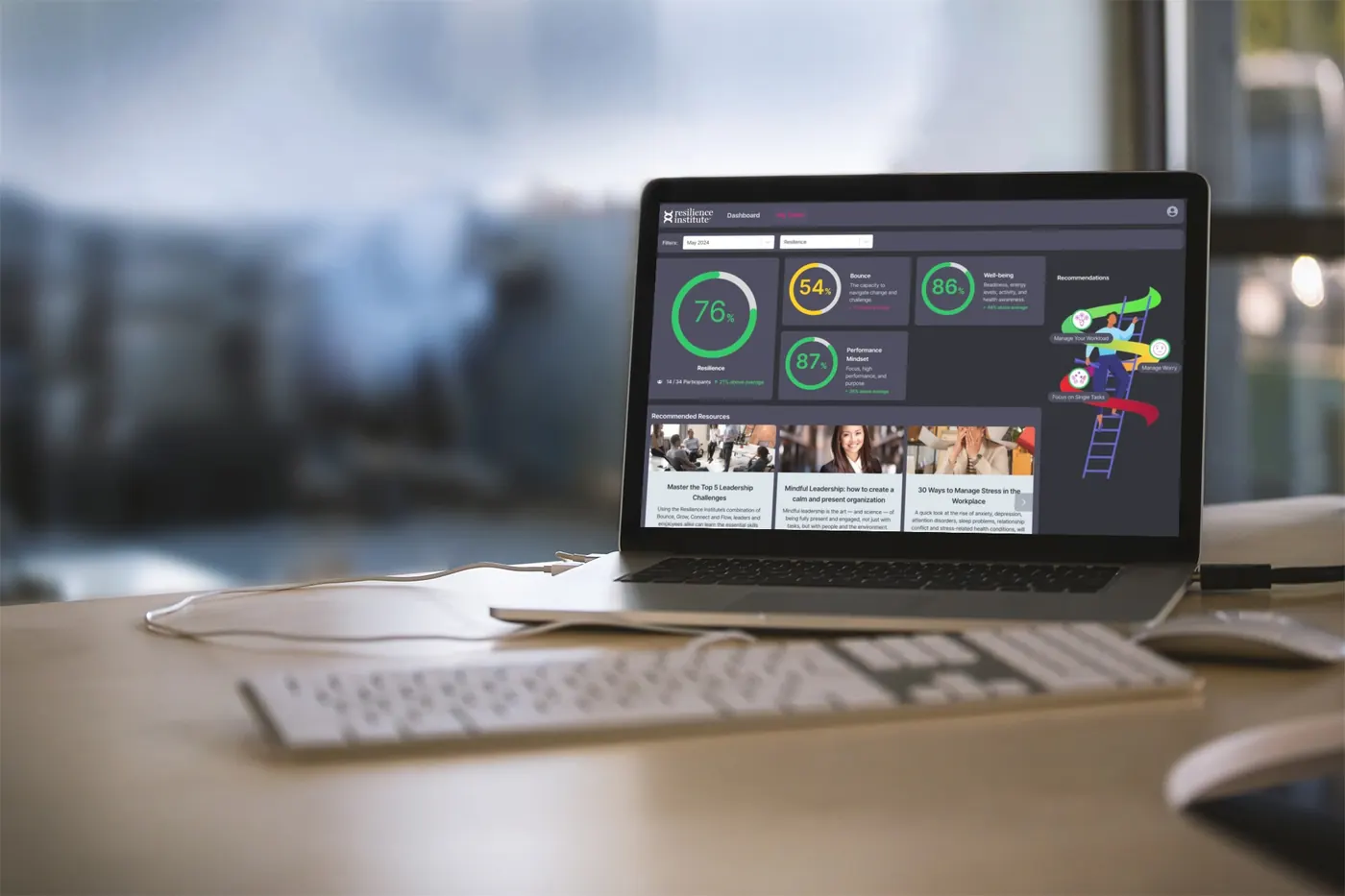
Discover your strengths, identify your triggers, and take the first step towards a calmer, more resilient you.